Ravindra Rang Manch: A State of The Art Theatre Center With a Vibrant Past But Uncertain Future
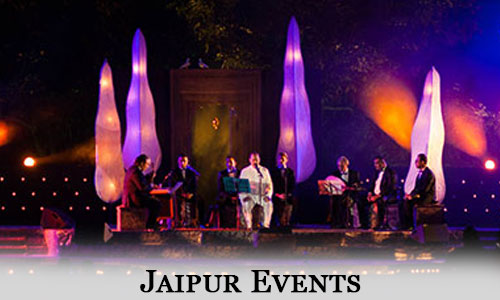
Ravindra Rang Manch holds a distinct lace as the renowned cultural center of Jaipur. Counted among the 17 most important cultural centers envisioned by the great visionary of last century the first prime minister Pundit Jawahar Lal Nehru, Ravindra Manch has kept its promise to promote the arts and cultural events till date. The place is renowned for staging various dramas, dance performances and culture shows that enthralls the citizens and tourists alike. It also helps the budding artist to present their skills while the accomplished artisans use this powerful platform to reach their audiences. The theatre precincts have a perfuming art theater and a modern art gallery. The theater has both in house and open air galleries. The open air theater has a capacity of as many as 500 people.
What is the Ravindra Manch Famous for?
This sprawling cultural center has a unit simple ambiance offers a welcome contrast to the luxurious ambiance of Jawahar Kala Kendra the other art gallery and cultural center of Jaipur. The place frequently stages various local artists' performances, dramas, cultural programmers and It was established in 1961 as a part if the 17 major cultural centers of India by the first Indian Prime minister Jawahsar Lal Nehru'
Dance Festivals, Painting Exhibition and various Dramas are regularly staged on Ravindra Manch.
But what about the present day Situation of Ravinder Manch?
After witnessing a vibrant past to boast about the Ravindra Manch is in a sorry state today. Once upon a time its evenings were filled with the sterling performances by accomplished artisans who were encouraged by the connoisseur audience but the Ravindra Manch of today is in dilapidated condition. The place was blessed with an impressive talent pool and accomplished artisans who presented their best performances in various schools of art. There were great dramatists staging their best shows, renowned and respected artisans displaying their best paintings, Sculptors who could fill oxygen of life in sculptures due to their unmatched skills and singers who, when sang, it seemed that even the stone walls of the center will start dancing. Most of its performances either used to be free or negligibly charged.
But due to the negligence of the State Government, the cultural center suffered a lot. The building started experiencing the tyrannies of times and negligence by the State Government added salt to the wound. Even when the proposal of renovation was presented several years ago, it was caught in the unnecessary legal meshes. Sanctioned under Tagore Cultural Complex Scheme, the initial allocation of 34 cores was to be spent on different phases of renovation. However, the IPTA (Indian People’s Theatre Association) alleged that the authorities has changed the proposed renovation plan as per approved by the National School of Drama.
The artists of ravindra Manch lack their trademark excitement and zeal. Audiences are turning away and this old cultural centre is helpless to do something about the whole satiation. This is one of the worst examples of State Government's lackluster attitude towards the cultural centers of the state.
Parking Information
- Facility available
- Charges – 20-30 rupee per car
- Contact info – 0141-2619061